SFT Short Fiber Thermoplastic Composites
Short carbon and glass fiber reinforced compounds engineered for high flow, fine detail and dimensional stability — the cost-effective companion to our LFT long fiber materials.
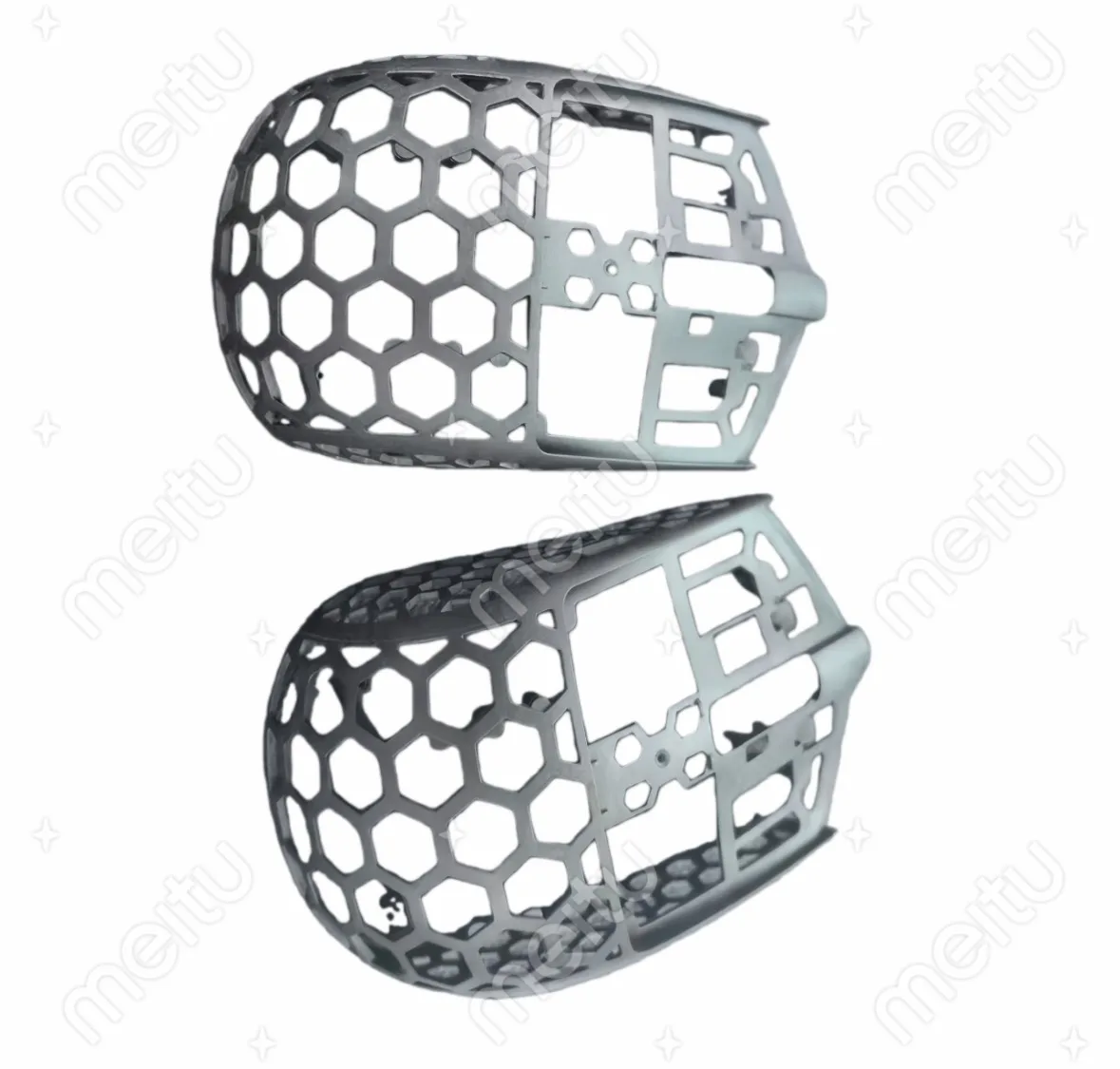
What is Short Fiber Thermoplastic?
SFT compounds are made by melt-compounding chopped carbon or glass fibers (0.2–1 mm) with a thermoplastic resin, then granulating. The short fibers disperse evenly and flow easily, filling thin walls and fine features that long fibers cannot reach.
The result is a stiff, heat-resistant, dimensionally stable material with a fine surface — ideal for detailed, high-volume parts where moderate loads, fast cycles and low unit cost matter most.
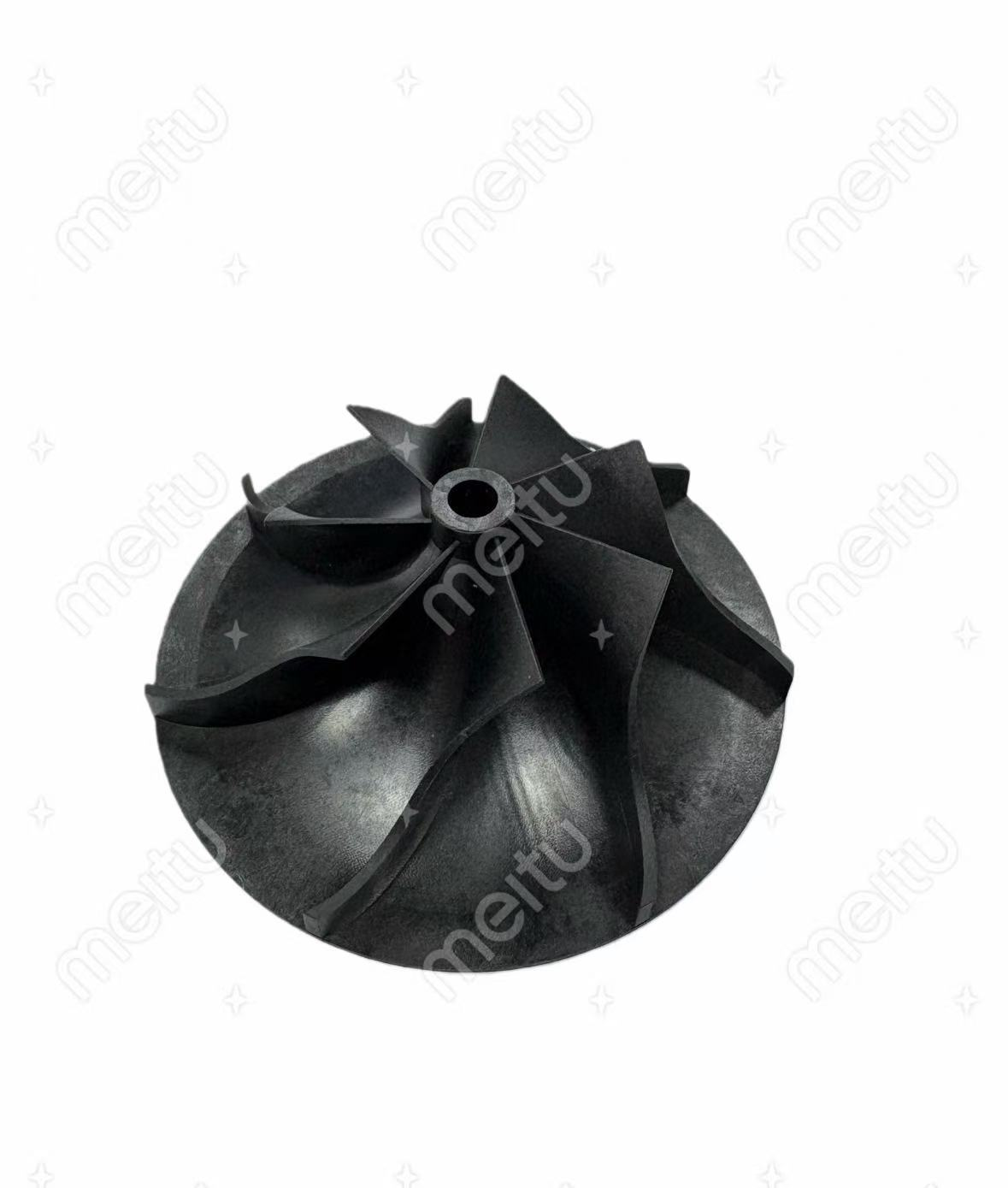
Choosing Between Long and Short Fiber
| Property | SFT Short Fiber | LFT Long Fiber |
|---|---|---|
| Fiber Length in Part | 0.2–1 mm | 5–25 mm |
| Tensile Strength | ~120 MPa | ~180 MPa |
| Impact / Fatigue | Moderate | High — 3D network |
| Melt Flow / Fine Detail | Excellent | Good |
| Cycle Time / Unit Cost | Fast / Low | Standard |
| Best For | Detailed high-volume parts | Structural / metal replacement |
Not sure which fits your part? Send us the drawing and we'll recommend the right one — or a hybrid strategy.
Resins, Fibers & Applications
Base Resins & Reinforcement
- Resins: PA6, PA66, PA12, PBT, PET, PPS, LCP, PEEK, PP
- Short carbon fiber — highest stiffness, conductive/antistatic
- Short glass fiber — cost-effective, electrically insulating
- Fiber loading 10–40%, tuned to strength & cost
Typical Applications
- Precision gears, connectors and housings
- Electronics and 5G components
- Automotive under-hood and structural details
- Pump, valve and industrial components
SFT Short Fiber — Frequently Asked Questions
Thermoplastic with 0.2–1 mm chopped carbon/glass fiber — high flow, fine surface, cost-effective for high-volume parts.
LFT = 5–25 mm, max strength; SFT = 0.2–1 mm, better flow and lower cost. SFT for detail/volume, LFT for structure.
SFT for thin-wall/detailed/cost-sensitive moderate-load parts; LFT for structural high-load parts.
PA/PBT/PPS/PEEK/PP etc., with short carbon or glass fiber at 10–40% loading.
Precision gears, connectors, housings, electronics, automotive under-hood and pump/valve parts — detailed, high-volume components.
Yes — one-stop compound R&D, mold design and molding, with gate/runner optimization.
LFT, SFT or a Hybrid — We'll Recommend the Best Fit
Tell us your part, loads and volume — our material engineers will recommend the right fiber length and resin within 24 hours.